We are back with more amazing speakers that are helping us to make CommCon 2026 the best possible event that it can be.
Alanna
- Thu May 21 2026
CommCon 2026 speakers: Part 2
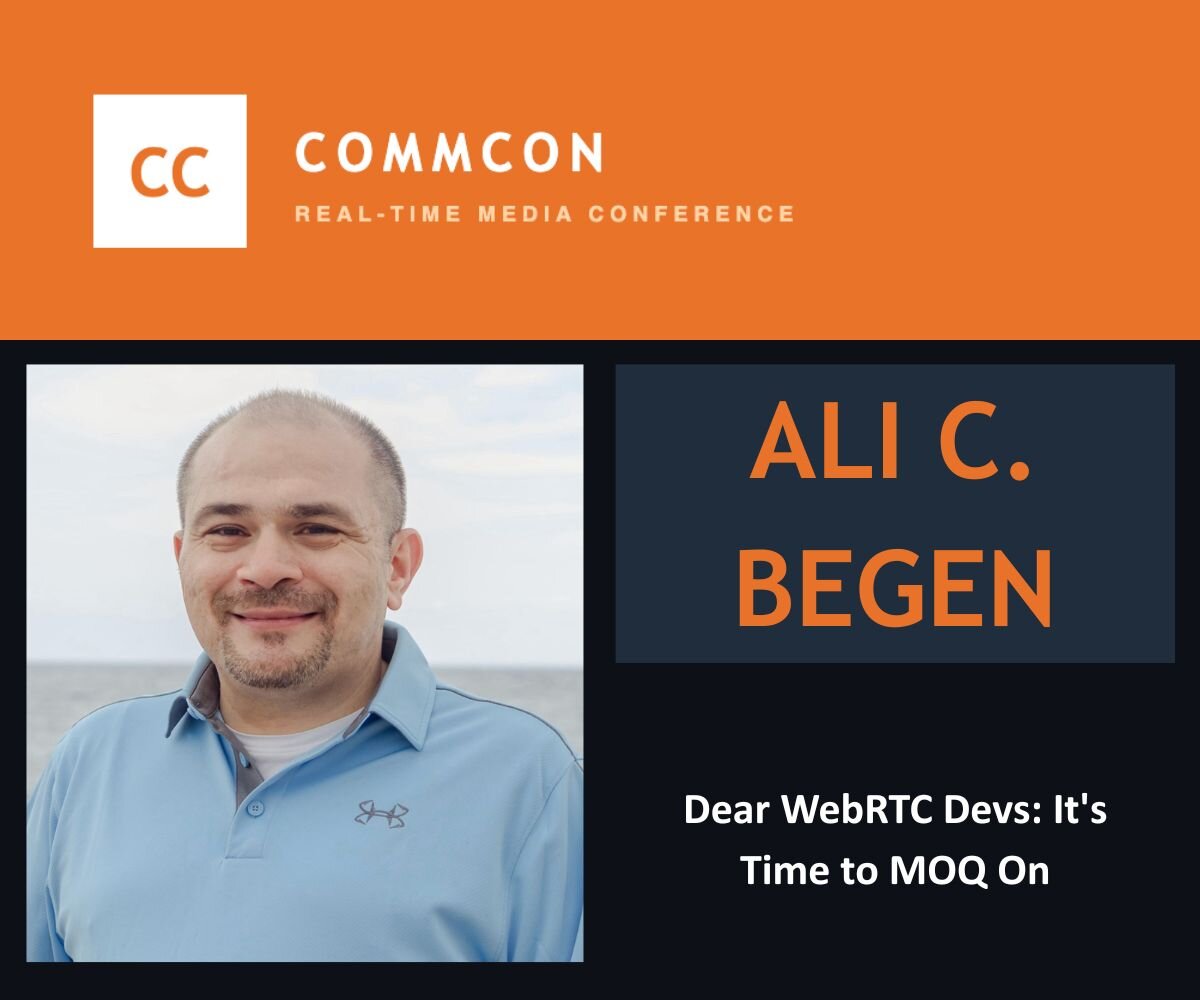
For years, WebRTC has been the scrappy hero of real-time communications, kind of like that old car you've been driving since college. And, WebRTC developers have poured their hearts into making real-time communication work, often fighting uphill battles with legacy quirks.
Enter Media over QUIC (MoQ), a slick, modern alternative that promises to fix many of WebRTC's headaches. This talk is a friendly nudge to say: "You've done amazing work, but it's time to move on to something better."
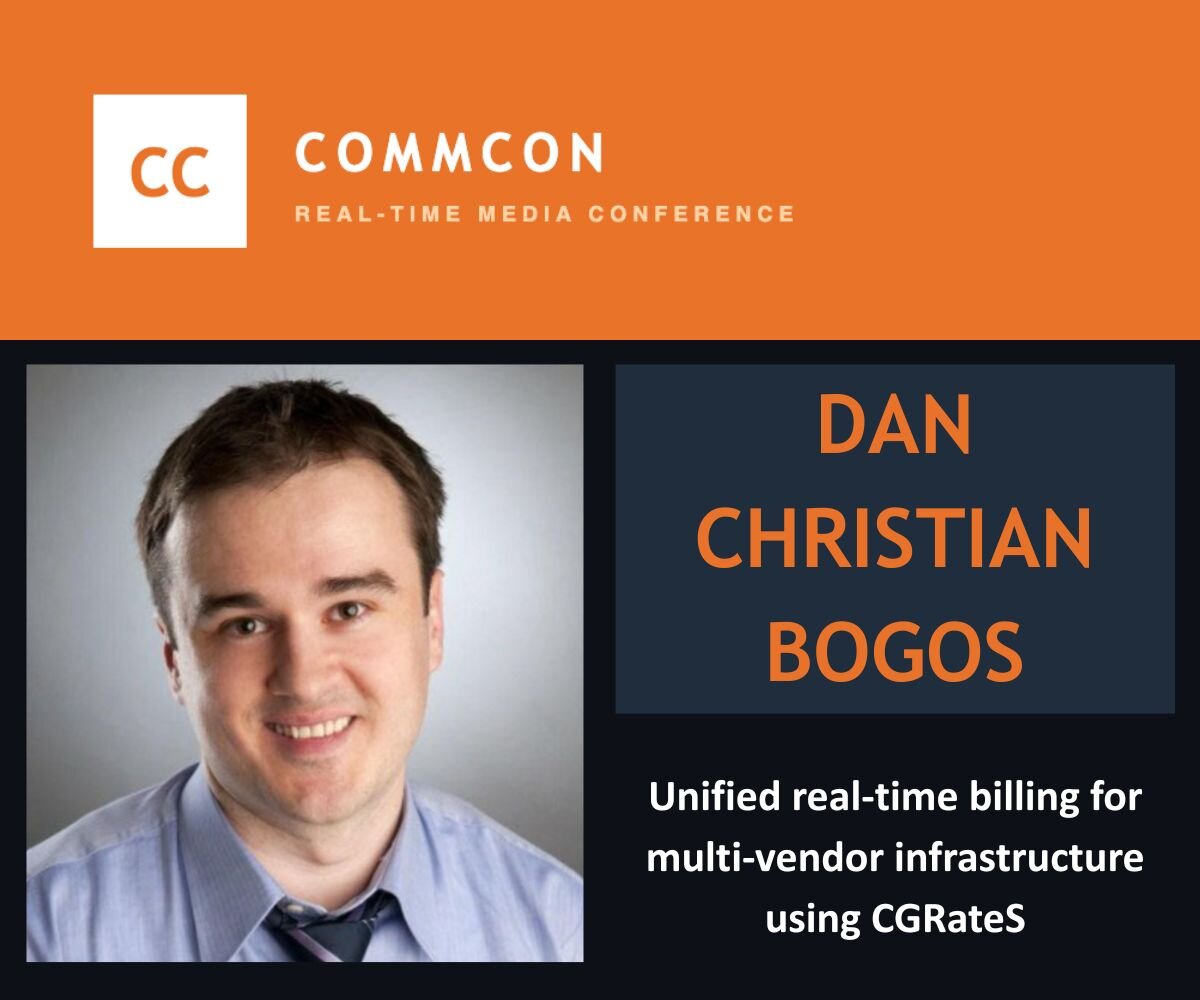
In today's competitive landscape, products are often built by integrating multiple types of equipment, frequently sourced from different vendors. A key challenge arises when these diverse systems must function as a single entity from a billing perspective.
This talk explores how CGRateS addresses this challenge by unifying data from multiple sources and generating billed CDRs in a common, fully customizable format defined by the system administrator.
CGRateS is a battle-tested Open-Source Enterprise Billing Suite with support for various prepaid and postpaid billing modes.
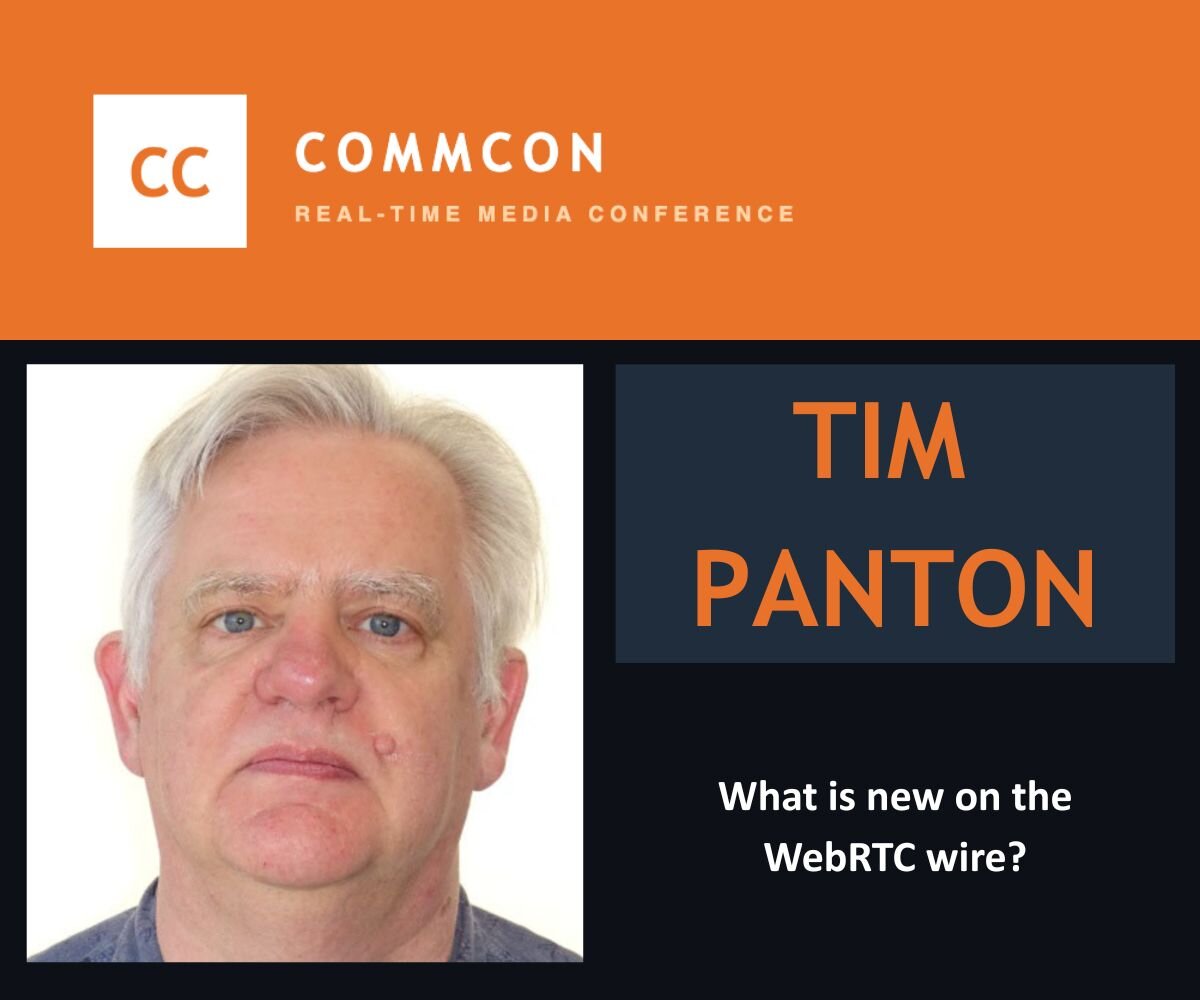
I will describe the (draft) RFCs that support:
- new congestion control (L4s)
- faster connection setup (SPED + SNAP)
- standardised egress (WHEP)
- and a (possible) low level 'DIY' transport (RTCTransport)
I will discuss the possible use-cases and problems with these new features and probably demo a couple of them where implementations are available.
VoIP identity today is built on pre-call assertions and centralized trust. STIR/SHAKEN improves things, but it remains undirectional and detached from the actual session between endpoints.
This talk explores an alternative: verifying identify after the call is established, using only shared session context and decentralized infrastructure.
I'll present a patent-pending system where each endpoint:
- derives a cryptographic digest from negotiated session metadata
- publishes a signed, directed transaction to a distributed ledger
- independently verifies the counterpart's identity based on that transaction
This enables mutual, asynchronous identity verification without modifying signaling flows or relying on centralized services.
Rather than attempting to cover every implementation detail, this talk focuses on the key design challenges and tradeoffs, including:
- identity resolution and trust mapping in a decentralized model
- consistency or session-derived data and what can break it
- the impact of latency and asynchronous verification on real-time systems
- practical limitations around UX, reliability, and deployment
This is a practical look at a different trust model for VoIP - one that shifts verification to the endpoints and ties identity to the actual session, not just the signaling layer.
MOQ has drawn a lot of attention in the past few years as the new protocol for streaming media and data, both in real time and on demand. One of its most interesting features is the ability to live-stream with sub-second latency to a large audience, enabled by a CDN-style architecture of relay servers. The same architecture is used for fetching content on-demand, making it possible to seamlessly rewind to older content, and then jump back to the live stream, all in the same player.
With the IETF protocol still in draft state and only a handful of open source MOQ projects at different stages of development, it's perhaps not surprising that we don't see MOQ being used in production very often, yet.
In this talk, I tell my experience of making CommCon 2026 one of the very first conferences to be live-streamed using MOQ: which tools I used, the difficulties along the way, and the many, many lessons I've learnt.
Yet more excellent content to tempt you to come along, and we're not done announcing our speakers yet.
If you want to here those talks, head over to our ticket page to secure your spot at the conference.
See you there
- Team CommCon
